 Up to 80% off! Free Delivery on orders above $150.



 Call Us

 WhatsApp
 Facebook
 Instagram


 Nov 10, 2026
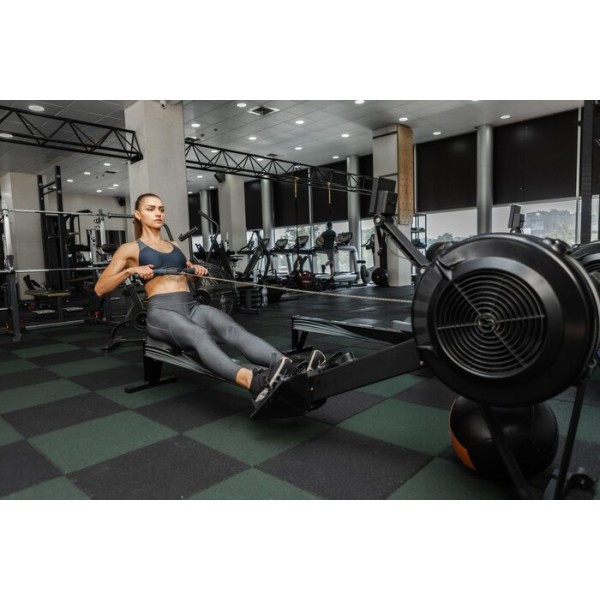
The right foot placement on the rowing machine is making sure that the balls of your feet are touching the footplate and your heels are resting comfortably in the bottom area. Your feet should be placed shoulder-width apart, and the straps securely fixed on the wide portion of your feet.
Best Foot Position for Rowing Machines
The right foot placement in the rowing machine will ensure that your straps are attached to the balls of your feet, which is the widest area of your feet. The foot stretcher should be set so that your shins become vertical at the catch without any strain. You should keep the strap snug without being too tight and use your entire foot when you are pushing. Your heels will lift a bit at the catch.
- Strap position: Throughout the width of your foot (ball).
- Strap height: Lower down for large feet or stiff ankles, high up for small feet.
- Strap tension: Tight enough to secure your feet but loose enough to be comfortable.
- Pressure: Drive your feet through the middle of the foot and the heel of the foot, not just the toes.
- Final test: You can achieve a strong catch with vertical shins and upright posture.
How Foot Position Changes During the Rowing Stroke
While rowing, your feet should be well attached to the foot plates at all times. It should be noted that there is a subtle change in the angle of the ankles during all stages of rowing.
1. Catch Position
The catch is where the stroke begins when rowing. This involves bending the knees and the trunk and extending the arms towards the handle. The feet should be positioned properly. Your goal here is to ensure your shin muscles are perpendicular to the surface while avoiding any overextension of the knees and ankles.
2. The Drive Position
The process starts by extending your arms, then moving your trunk forward and bending your legs. Everything should move in a smooth manner. As such, the seat moves forward while doing this.
3. The Finish Position
When finishing the stroke, your legs are extended, your body is tilted backward, and your hands are moved up to the lower ribs. Ensure your feet are firmly attached and avoid locking your knees.
4. Recovery Position
Extend your arms first, lean your torso forward, and then bend your knees to return toward the catch. Move smoothly and allow the seat to travel forward under control.
How to Choose a Rowing Machine With Adjustable Footrests
If you are purchasing a rowing machine for your home or commercial gym, then look at the design of the machine’s footplate and the adjustment features. Some considerations to note include:
| Feature | What to Look For |
| Adjustable footrests | Multiple settings for different users |
| Secure straps | Easy-to-adjust straps that hold feet comfortably |
| Heel support | Comfortable heel cups or supports |
| Footplate size | Enough space for different shoe sizes |
| Stable design | Footrests that remain secure during exercise |
| Durable construction | Strong materials for regular workouts |
The use of a rowing machine with adjustable footrests is advantageous for several people and makes exercises more comfortable. If you buy exercise equipment for commercial gyms, hotels, or fitness centers, choose equipment that features strong footplates, easily adjustable straps, and minimal maintenance.
Signs Your Footplates Are Too High
- Your knees are raised too high above your head.
- Your catching position is uncomfortable for you.
- Your body is unable to lean forward freely from the hip joints.
- Your movement becomes uncomfortable.
Signs Your Footplates Are Too Low
- Your knees are bent too much during the catch phase.
- Your shins exceed the vertical position.
- Your seat moves too close to your heels.
- There is some problem with keeping yourself in an ideal starting position.
Common Rowing Machine Foot Position Mistakes
The improper placement of your feet could affect your rowing stroke and make training sessions not very comfortable. Here are some foot placement mistakes you should avoid.
1. Placing the Straps Too High
When you place your straps closer to your toes, you will feel pressure and a lack of foot stability. Place the straps at the widest part of your feet.
2. Setting Your Feet Too Wide
Setting your feet too wide can lead to knee misalignment and unnecessary movement. You should set your feet about hip-widthapart.
3. Raising Your Heels Too Much
Your heels could move slightly up when the blade is in the water due to flexibility in your ankles. However, raising them too much means that you are sitting too far forward or that your footplate settings are wrong.
4. Locking Your Ankles
Too rigid an ankle position can make your rowing stroke uncomfortable. Let your ankles move naturally when changing from the catch to the finish position.
5. Pushing Only Through Your Toes
Pushing through the toes without engaging your legs will make you lose your stability. Apply pressure to your feet, pushing through them completely.
What Are Weight Plates?
The weight plates are solid or covered circular discs that provide weight to the training tools used for strength training exercises. These may be fitted on the barbells, handles of the dumbbells, and many other machines found within the gym to enable the training session to be effective. Below are some common types of weight plates:
- 1.25 kg weight plates
- 2.5 kg weight plates
- 5 kg weight plates
- 10 kg weight plates
- 15 kg weight plates
- 20 kg weight plates
- 25 kg weight plates
All these plates of varying sizes may be mixed up to create the total resistance required. This quality makes the weight plates useful for both novices and experts, personal trainers, and commercial gymnasiums.
Cheap Weight Plates in Singapore
Homefitness is one of the most reliable places to buy weight plates at reduced costs in Singapore. Homefitness deals with rubberized Olympic weight plates, tri-grip plates, and bumper plates of different weights. People have an opportunity to compare the best and most affordable fitness equipment for their personal use at home or commercial gyms based on their needs and budgets.
How Much Do Cheap Weight Plates Cost in Singapore?
The price of weight plates in Singapore is determined by factors such as the type of material used in manufacturing, the weight of the plates, the type of coatings and designs used on plates, among other factors. Cast iron plates are cheaper compared to bumper and competition plates. The following are some examples of prices advertised for the plates in Singapore.
| Weight plate type | Example advertised price |
| Rubber-coated Olympic plates | From S$4.50 |
| Cast iron Olympic plates | From S$4.25 |
| Standard rubber plates | From S$4.00 |
| Bumper plates | From S$24 |
| Olympic weight plate, 1.25kg | S$5.25 |
| Olympic weight plate, 5kg | S$21 |
Retailers may give different prices depending on the choice of weight. Some retailers advertise the price of each individual weight while others advertise it in pairs.
Important: Ensure that the price mentioned for the plates is per one or for two. The delivery cost and total cost of the plates should be calculated based on the required weight before purchasing.
Benefits of Buying Affordable Weight Plates
Inexpensive weight plates will enable you to cut down your expenses while setting up an effective strength training program. They provide progressive overload, increase versatility in your workouts, and make it possible to perform different exercises. Through progressive overload, it becomes possible for you to have an effective home gym without buying expensive equipment.
Conclusion
Foot positioning on the rowing machine enhances comfort, balance, and rowing efficiency. Place the straps over the balls of your feet, ensure proper spacing of the hips, and make sure that you are able to achieve a natural rowing stroke. Weight plates can also be used for building an efficient gym at home. Consider the quality, weight range, and cost of the plates while making your purchase in Singapore.