 Up to 80% off! Free Delivery on orders above $150.


 Call Us
 WhatsApp
 Facebook
 Instagram

 Sep 10, 2025
A gym bench is a stable surface to use in different exercises, such as bench presses, dumbbell rows, step-ups, and abdominal exercises. It enables its users to make movements that focus on other muscle groups, e.g., the chest, back, legs, and core. Gym bench Singapore design may be different; however, it is often a padded surface equipped with a solid frame.
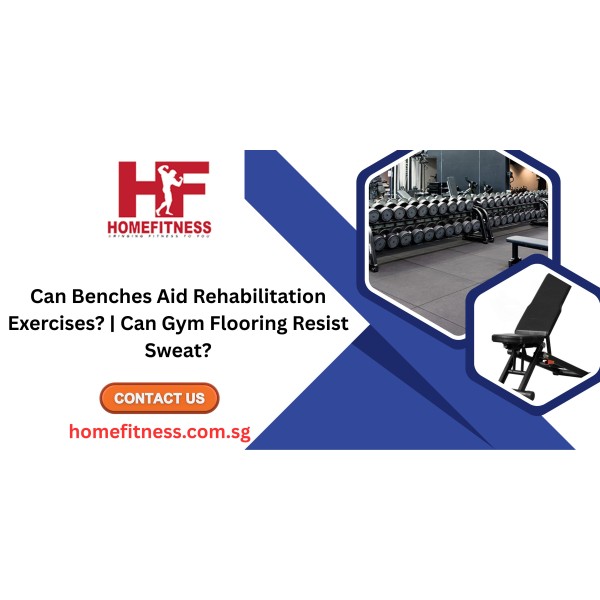
Can Benches Aid Rehabilitation Exercises?
Yes, gym benches may support rehabilitation exercises by giving them a stable and supportive surface on which to perform controlled movements. They assist the patients to safely do exercises in the form of strength, flexibility, and balance so that they can recover from their injuries at a gradual rate. Adjustable benches can be used to isolate specific muscles to reduce strain and are a good choice in physiotherapy and post-injury rehabilitation programs.
The Role of Benches in Rehabilitation
Exercise benches are generally linked with strength training at the gym, but can prove to be extremely helpful during rehabilitation. They offer stability, support, and adjustable angles, and exercises can be safely and effectively performed. Patients with a choice of targeting specific muscle groups can include the intensity and range of motion, depending on the kind of bench: flat, incline, decline, or adjustable.
Why Benches Are Useful in Rehabilitation
Exercise benches give a stable surface that can be used in any form of exercise. This is the reason benches can be especially helpful in a rehabilitation environment:
Stability and Safety
Stability is essential to patients who have survived injuries. Benches provide a solid and high-up platform that prevents falls or inadvertent strain and can thus enable exercises to be performed correctly.
Targeted Muscle Support
Specific muscle groups can be isolated by the use of benches. An example is a patient who has had a shoulder injury and can do supported chest presses or seated shoulder raises without working on other muscles or joints.
Adjustability for Progression
Most benches can be moved either inclined, declined, or flat. This adaptability will allow therapists to personalize exercises to the recovery stage of the patient. To illustrate, even such a small slope can alleviate lower back stress and involve the core.
Assistance in Low-Impact Workouts
The high-impact exercises are not encouraged during rehabilitation. Exercises that can be done seated or lying on the bench provide a reduction in stress on the joints and yet offer a good resistance and strengthening option.
Common Bench Exercises for Rehabilitation
A variety of bench exercises can support recovery, depending on the area of focus:
• Leg Rehabilitation: Sedentary leg raises, hip bridges (lying on the bench), and step-ups with the bench height to build leg strength safely.
• Upper Body Rehabilitation: The exercises that can be supported with a chest press, seated rows, and arm raises can strengthen the torso and stabilize it.
• Core and Balance: Crunches or leg lifts on a firm bench are considered to work on the core, and this is necessary to stabilize in general.
• Flexibility and Mobility: The motion spectrum may be expanded through a stretching exercise on a bench, e.g., lying hamstring stretches or shoulder mobility exercises.
Benefits of Using Benches in Rehabilitation
Benches can be used in rehabilitation with several positive outcomes, which include safety owing to the reduction in falls, shape owing to appropriate posture, and progressive development of strength owing to resistance. The flexibility enables them to train various muscles, and due to availability, patients have an opportunity to train in gyms or clinics or at home, thus making the recovery process safe and effective.
Precautions When Using Benches for Rehab
The benches can be extremely useful, but there should be an appropriate way of their usage:
• Supervision: To prevent injury, a certified professional or physical therapist ought to lead exercises to recommend the appropriate form of activity.
• Proper Adjustment: Choose the angle and height that are in line with the specific exercise and condition of the patient.
• Controlled Movements: Make sure not to apply acute movements or start and stop movements that may compress healing tissues.
• Supportive Accessories: Resistance bands, cushions, or straps can be used to add stability.
Introduction of Gym Floors
Gym floors are uniquely manufactured to ensure that they are safe, comfortable, nd durable during exercises. It protects floors against heavy machinery, prevents hits, reduces noise, and prevents slips. It is made of rubber, foam, or vinyl material and can be easily washed and not readily influenced by sweat, wear, and daily gym workouts.
Can Gym Flooring Resist Sweat?
Yes, it can be sweatproof, gym flooring in Singapore, depending on its material. Moistureproof floors, such as rubber, vinyl, and high-density foam floors, avoid any kind of damage, and slipping risk is minimized. Indeed, installed and sealed flooring repels the sweat and other liquids, which it easier to clean and maintain hygiene, and shields the surface beneath the flooring against wear induced by moisture.
Why Sweat Resistance Matters in Gym Flooring
During any exercise, one cannot avoid sweating. Too much moisture on the floor may cause several issues:
• Slipping hazards: Sweat causes surfaces to become slippery, and this exposes you to the risk of injuries during activities such as yoga, weightlifting, or HIIT.
• Flooring damage: Porous substances can have dampness creep through and cause the substances to warp, mold, or even deteriorate over time.
• Body smell and bacterial growth: Unabsorbed or uncleaned sweat can lead to unpleasant body smells and bacterial growth.
• Equipment damage: The corrosion of metal gym equipment foundations can occur with some flooring materials in case of sustained contact with water.
A flooring system that is sweat-resistant can significantly improve the safety, hygiene, and longevity of your gym
Common Types of Gym Flooring and Sweat Resistance
1. Rubber Flooring
Rubber material is heavily resistant to use, waterproof, and cushioning. It can also easily run off sweat; therefore, the material is safe. Disadvantages include the high cost and potential water seepage if the seams have not been sealed.
2. Foam Tiles
Foam tiles are soft, light, and comfortable while doing low-impact exercises or yoga exercises on the floor. They absorb sweat well and may disintegrate quickly in moist places - thus requiring frequent cleaning with disinfectants.
3. Vinyl Flooring
Vinyl is sort of non-absorbent, easy to clean, and sweat-resistant can also look like wood or tiles. Vinyl does not give much bounce like rubber, but is extremely durable, thus it is apt for high-sweat-generating gym zones.
4. Carpet Tiles
Carpet tiles provide comfort and good grip, but absorb sweat, trap odors, and harbor bacteria. They need additional maintenance and are not good for heavy and intense physical exercises.
5. Cork Flooring
Cork is environmentally safe, has a soft, resilient feel, and is naturally antimicrobial. Sealing improves its sweat resistance but still allows absorption of moisture, and then dents under heavy equipment when not upheld.
Tips to Maintain Sweat-Resistant Flooring
Even quality floors cannot be maintenance-free. These are a few useful maintenance tips for such floors:
• Wipe Down Immediately: Wipe down the floor with a microfiber cloth or mop after every workout to wipe off perspiration. This is to avoid moisture sticking about.
• Use Protective Mats: Lay down place mats for any of your high-sweat activities like weight lifting or high-intensity workouts.
• Regular Cleaning: Use mild detergents or special gym floor cleaners to remove residues and prevent microbial growth once a week.
• Ventilation: Proper airflow allows sweat to dry quickly and thus minimizes the chances of mold or odor development.
• Inspect Frequently: Watch out for wear and cracks, and signs of absorption, especially with rubber or foam surfaces.
Conclusion
Gym benches and sweat-free flooring combine to provide safer and even more effective exercise. Rehabilitation is supported by benches by allowing stability, localized muscle activity, and adjustable sitting, and hygiene concerns, damage, and slips will be avoided due to durable and moisture-resistant flooring.