 Up to 80% off! Free Delivery on orders above $150.


 Call Us
 WhatsApp
 Facebook
 Instagram

 Feb 10, 2026
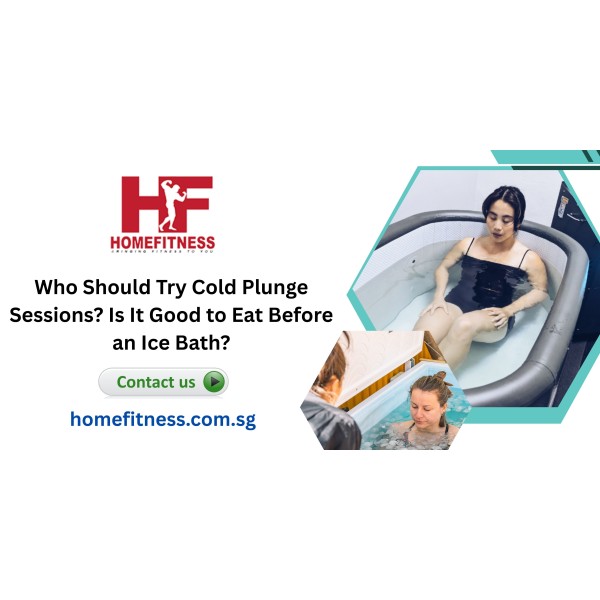
Cold plunge is a technique of temporarily placing the body into cold water, typically between 5059F (10 -15 °C). The healing and rejuvenating benefits of the practice have been in use in different cultures for centuries. When used locally, cold plunge therapy is also known as cold water immersion, ice baths, or simply as cryotherapy.
Benefits of Cold Plunge Sessions
Cold plunge sessions have numerous advantages:
a. Physical Benefits
• Reduced loss of muscle following exercise or injury.
• Less soreness and inflammation.
• Better immune delivery with age.
b. Mental Benefits
• Explicit improvement in mental sharpness and attention.
• Reduction of stress as a result of the secretion of endorphins.
• Increased ability to withstand suffering and exhaustion.
c. Skin and Health Benefits
• Better skin as a result of better circulation.
• Increased metabolism with thermogenic stimulation.
How Cold Plunge Sessions Work
When introduced to cold water in the form of a cold plunge, the body reacts to cold in the following way:
• Narrowing of arteries in a bid to maintain the core temperature.
• Less muscle and joint inflammation.
• Circulation is increased because blood vessels dilate after getting out of cold water.
• Stimulation of the nervous system, making one alert and energetic.
It is these physiological reactions that make cold plunges an active instrument of recovery and wellness.
Cold Plunge Risks and Dangers
Although the cold plunge therapy is considered to be a safe treatment, the following risks exist:
• Hypothermia: A prolonged exposure to cold plunge water may be a dangerous way to reduce the core body temperature, causing hypothermia, particularly when sessions last longer than recommended, or necessary precautions are not observed.
• Cardiac Stress: When cold plunge therapy is administered suddenly, the heart and circulatory system may be overstressed, and this may be dangerous in cases of heart disease or unstable blood pressure.
• Skin Irritation: Long or frequent cold plunge sessions can lead to reddening, numbness, tingling, or, in severe cases, frostbite of the skin, especially at extremely low water temperatures or with extended exposure.
Who Should Try Cold Plunge Sessions?
• Sportsmen who want to recover faster.
• Patients dealing with stress or anxiety.
• Individuals who are interested in enhancing immunity and circulation.
• Health-conscious people seeking a holistic approach to health.
Cold Plunge at Home
Cold plunge therapy may be done at home with:
• An ice water bathtub.
• Home-based portable cold plunge tubs.
• Homemade cold immersion pools (e.g., big containers or small tanks filled with ice)
The temperature of the water and the time of the session should always be monitored.
Cold Plunge Sessions in Modern Wellness
Cold plunge sessions can now be further enriched with other types of wellness activities, like sauna therapy, meditation, or yoga, to have a combination of increased physical and mental benefits. Cold plunge pools are becoming a regular feature in many gyms, spas, and wellness centers as an element of a recovery program.
Cold plunge sessions are becoming a regular activity for athletes, biohackers, and wellness enthusiasts as a means of physical healing and mental hardening. The practice is said to be a training of the mind to withstand pain, creating mental strength and stress-resistance.
Safety Tips for Cold Plunge Sessions
• Get advicefromh your doctor in case you have heart or breathing problems.
• Do not expose oneself to excessive cold.
• Monitor the safe water temperature by use of a thermometer.
• When you are having a first time, it is always good to have someone with you.
• Do not drink alcohol before cold plunges, as it will interfere with circulation.
What is an Ice Bath?
An ice bath refers to a form of cold water immersion therapy in which the body is immersed in very cold water, usually with ice added to it during a brief period of time. The practice is common in athletic healing and recovery programs.
Ice baths are meant to help reduce inflammation, eliminate muscle soreness, and enhance general recovery. In some cases, the ice baths are also known as cold plunge baths, and the cold water immersion treatment is under focus.
What is Ice Bath Good For?
Healthy athletes usually use ice baths as a way of enhancing recovery after rigorous exercise, reducing inflammation of the muscles, and soreness. They can also be helpful in terms of mental health as exposure to cold can make one more alert and improve his/her mood. Ice baths tend to be used by athletes after competitions to ensure their muscles are repaired faster.
What is Ice Bath Used For?
Ice baths are primarily used for:
• Post-workout recovery
• Muscle soreness reduction
• Minor sports injury treatment.
• Relaxation and clear thinking.
• Enhancing the supply and lymphatics.
Buying an ice bath in Singapore
There are several ice baths available in Singapore, and in case you are interested in purchasing one ice bath:
• Home use ice bath tubs.
• Gym and wellness centre professional cold plunge pools.
• Temporary/travel inflatable ice baths.
During purchasing, one should consider the size, insulation, durability, and drainage ease. Widespread Singaporean retailers also sell both pre-prepared ice bath tubs and tailor-made cold plunge options.
Is It Good to Eat Before an Ice Bath?
Eating should be light before an ice bath; otherwise, avoid heavy meals. It can be a small snack, such as a banana or yogurt, which does not make the stomach uncomfortable. A fatty or big meal can cause nausea in response to cold. It is also essential to hydrate before your ice bath.
Eating Before an Ice Bath: Pros and Cons
Pros:
1. Energy Availability - Have a small snack before an ice bath to make sure that you have enough energy. This is more so when the ice bath occurs after vigorous exercise. The fuel required during recovery can be provided by carbohydrates and protein.
2. Blood Sugar Stability- A small snack before bath can be taken to avoid lightheadedness or dizziness due to low blood sugar in exposure to cold.
3. Muscle Recovery Support – Pre-Ice bath Muscle recovery snacks can kick off muscle repair before you even get into the ice bath.
Cons:
1. Digestive Discomfort – By taking a heavy meal immediately before an ice bath, there is the possibility that the stomach may cramp or even become nauseous because of slow digestion in cold water.
2. Reduced Comfort – Full stomachs in cold conditions can make the bath more severe and uncomfortable
3. Potential Impact on Cold Response – There is some evidence that a full stomach can slow the ability of the body to constrict blood vessels effectively in cold immersion somewhat.
Conclusion
The benefits of cold plunge and ice bath include physical rejuvenation, mental clarity, and improved circulation. Eating a light meal before eating is not a problem, but it is advisable not to take in heavy meals that cause discomfort. Cold water immersion therapy can be used to the fullest advantage through proper hydration, moderation, and safety measures.